אורה בריל: בין האשמורות
אוצר: אילן ויזגן
גלריה מאיה, תל אביב
13.11.2025- 27.12.2025
ביצירתה האמנותית בשנים האחרונות, אורה בריל נעה בשני צירים מקבילים: האחד פיגורטיבי ומתחבר מחדש לעשייתה המוקדמת, והאחר מופשט או סמי-מופשט ומאפיין את רוב יצירתה בשני העשורים האחרונים. תערוכה זו מתמקדת בחלק האחרון והיא מייצגת מספר סדרות מרכזיות מן השנים האחרונות, לפני ואחרי טבח השבעה באוקטובר 23'.
שני מושגים יסודיים לקיום וטעונים במשמעויות פילוסופיות ותרבותיות מעסיקים את בריל: המים והאור, ושניהם מאופיינים ביצירתה במיעוט – אור מעט ומים אבודים. האור חלש, לא ישיר אלא מתווך כמו אור הירח, והמים נשפכים, דולפים ונוזלים, כמעט תמיד בתנועה, מסרבים להתקבע במקום אחד. המטאפורות והערכים שנקשרו למים רבים ומוכרים, אך נראה שיותר מכל, עבור בריל, הם נקשרים לנפש ולעולם הרגשי. ככאלה הם מבטאים ביצירתה מתח ביו הכלה לחוסר הכלה, בין קיבוע והיקוות לגלישה וחוסר שליטה, או, אם להידרש לתורתו של קרל יונג, לעימות בין המודע לתת-מודע.
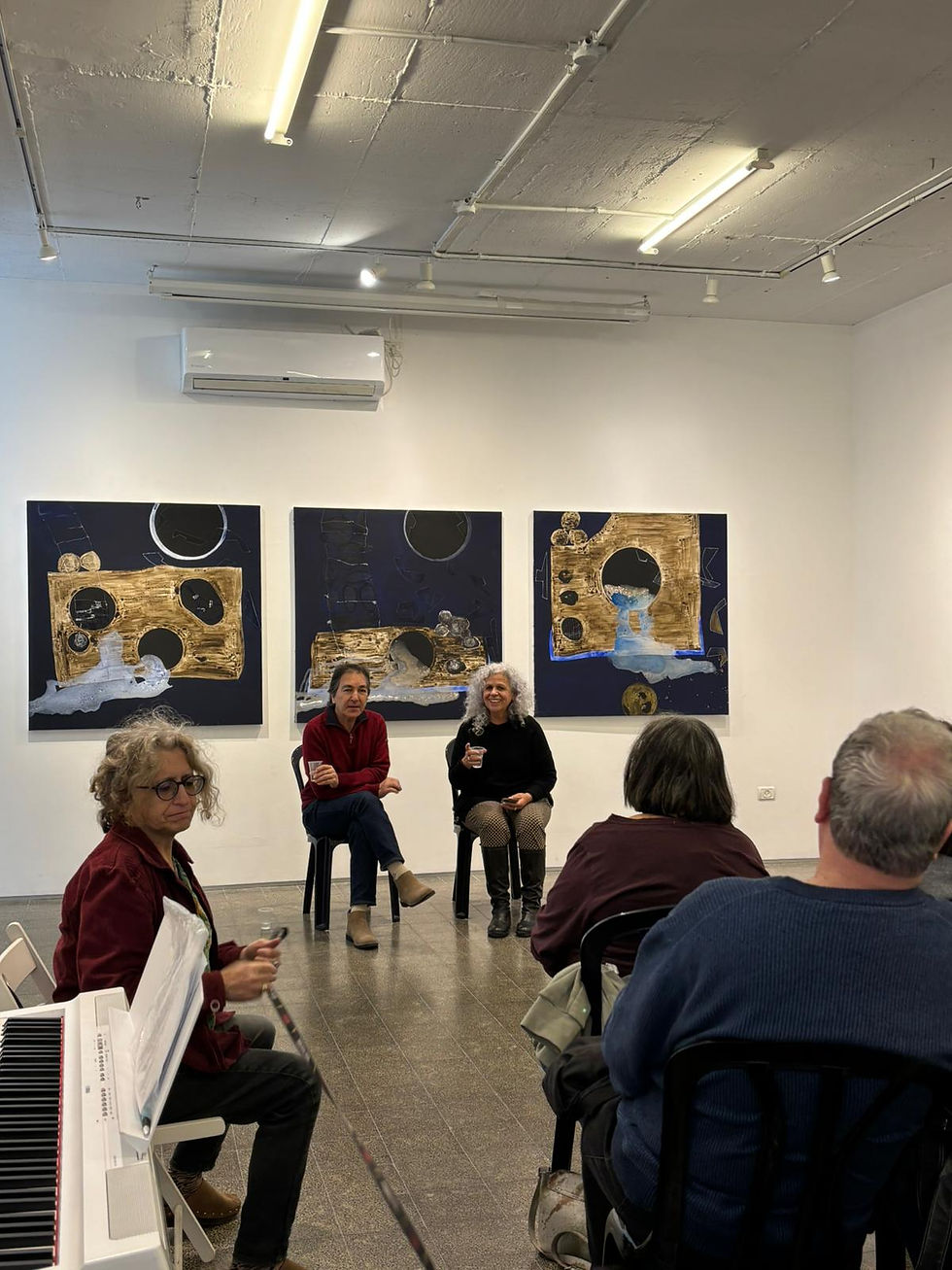
גם הירח מסמל לא מעט ערכים ומיוחסות לו סגולות והשפעות, חלקן תרבותיות, רוחניות ומטאפוריות וחלקן ממשיות, כמו השפעתו על הגאות והשפל. גם לדידה של בריל, הירח והמים קשורים זה בזה, הם מופיעים יחד כדימויים בציורים רבים וגם מחליפים תפקידים מבחינה צורנית וסימבולית. צורת העיגול, דימוי דומיננטי בשפתה של האמנית, מסמלת בחלק מהציורים באר מים ובחלק אחר ירח. בציורים האחרונים, שחלקם מוצג כאן, הירח מככב כגיבור ראשי, זהו כבר סופר-ירח, גדול וזהוב ממש כמו תופעת הטבע המכונה כך, וגם הוא, או האור שלו, נשפך וגולש כמו מים.
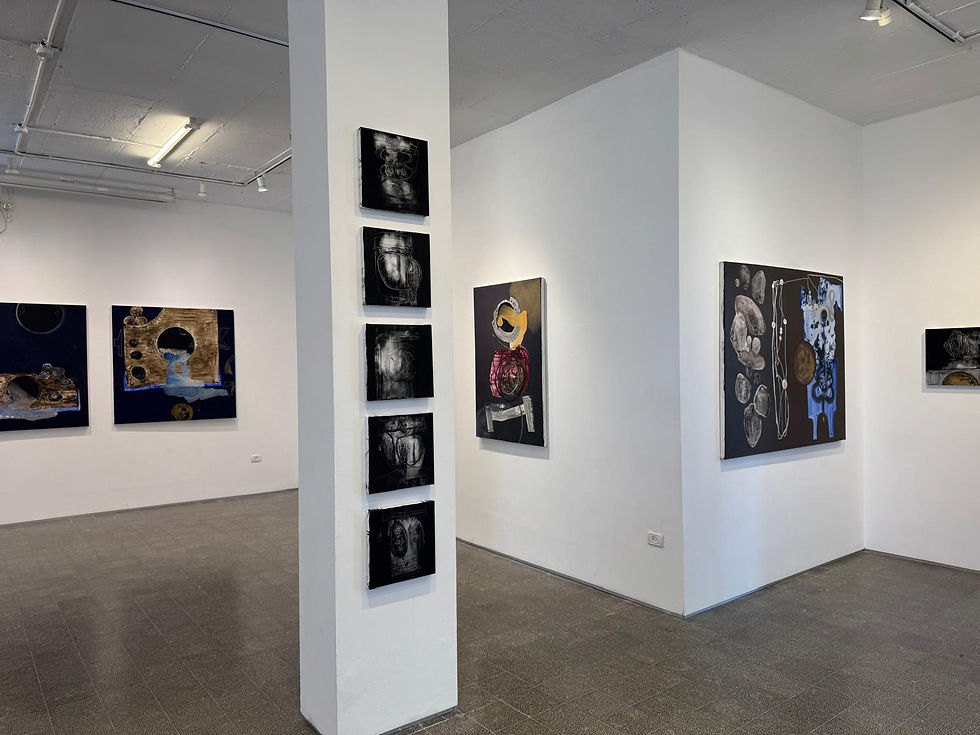
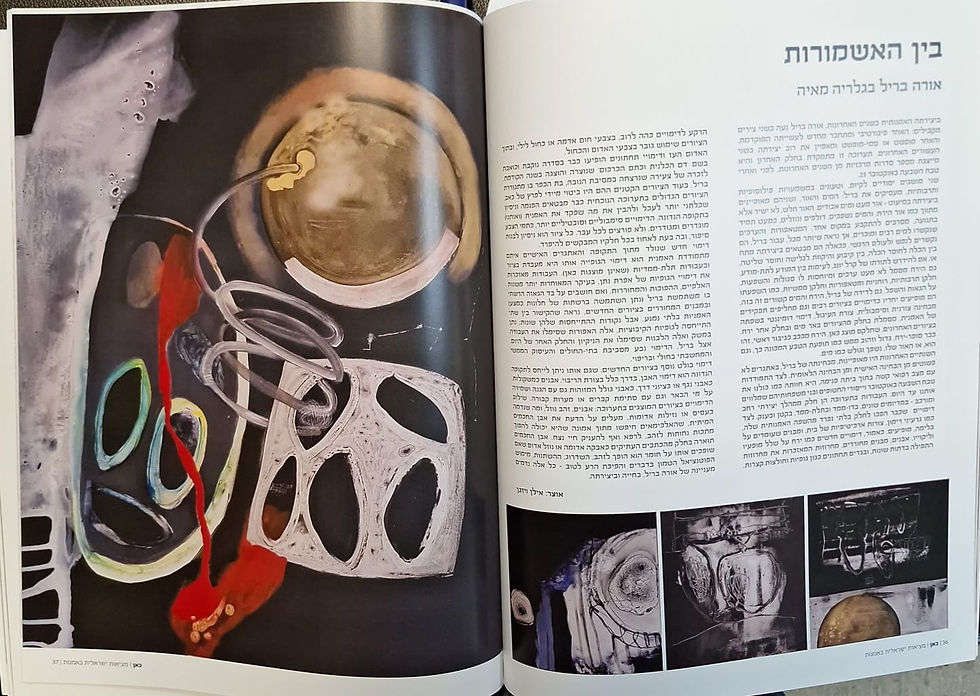
השנתיים האחרונות היו מאופיינות, מבחינתה של בריל, באתגרים לא פשוטים מן הבחינה האישית ומן הבחינה הלאומית. לצד התמודדות עם מצב רפואי קשה בתוך ביתה פנימה, היא חוותה כמו כולנו את טבח השבעה באוקטובר וייסורי החטופים ובני משפחותיהם שמלווים אותנו עד היום. העבודות בתערוכה הן חלק ממהלך יצירתי רחב ומורכב - במדיומים שונים, בדו-ממד ובתלת-ממד, בקטן ובענק. לצד דימויים שכבר הפכו לחלק בלתי נפרד מהשפה האמנותית שלה, כמו גרעיני רימון, צורות ארכיטיפיות של בית, ומבנים שעומדים על בלימה, מופיעים, כאמור, דימויים חדשים כמו ירח על שלל מופעיו וליקוייו, אבנים, מבנים מחוררים, מחרוזות המאזכרות את מחרוזות התפילה בדתות שונות, ובגדים תחתונים כגון גופיות וחולצות קצרות. הרקע לדימויים כהה לרוב, בצבעי חום אדמה או כחול לילי, ובתוך הציורים שימוש גובר בצבעי האדום והכחול.
האדום העז ודימויי תחתונים הופיעו כבר בסדרה נוקבת וכואבת בשם 'דם הכלנית וכתם הכרכום' שנוצרה והוצגה בשנה הקודמת, לזכרה של צעירה שנרצחה במסיבת הנובה, בת הכפר בו מתגוררת בריל. בעוד הציורים הקטנים ההם היו ביטוי מיידי לפרץ של כאב, הציורים הגדולים בתערוכה הנוכחית כבר מבטאים הפנמה וניסיון שכלתני יותר לעכל ולהבין את מה שפקד את האמנית (ואותנו) בתקופה הנדונה. הדימויים סימבוליים וסובטיליים יותר, כתמי הצבע מוגדרים ומגודרים, ולא פורצים לכל עבר. כל ציור הוא ניסיון לבנות סיפור, ובה בעת לאחוז בכל חלקיו המבקשים להיפרד.
דימוי חדש שנולד מתוך התקופה והאתגרים האישיים איתם מתמודדת האמנית הוא דימוי הגופייה אותו היא מעבדת בציור ובעבודות תלת-ממדיות (שאינן מוצגות כאן). העבודות מאזכרות את דימויי הגופיות של אפרת נתן, בעיקר המאוחרות יותר משנות האלפיים, ההפוכות והמחוררות. ואם חושבים על בד הגאזה הרשתי בו משתמשת בריל (נתן השתמשה ברשתות של חלונות כמצע) ובמבנים המחוררים בציורים החדשים, נראה שהקישור בין שתי האמניות בלתי נמנע. אבל נקודות ההתייחסות שלהן שונות, נתן התייחסה לגופיות הקיבוציות, אלה האפורות שסימלו את העבודה במשק ואלה הלבנות שסימלו את הניקיון והחלק האחר של היום. אצל בריל, הדימוי נבע מסביבת בתי-החולים והעיסוק הממשי והמחשבתי בחולי וריפוי.
דימוי בולט נוסף בציורים החדשים, שגם אותו ניתן לייחס לתקופה הנדונה הוא דימוי האבן, בדרך כלל בצורת הריבוי. אבנים כמשקולות, כאבני נגף או כציוני דרך, כאבני גולל המזוהות גם עם הגנה ושמירה על מי הבאר וגם עם סתימת קברים או מערות קבורה. שילוב הדימויים בציורים המוצגים בתערוכה: אבנים, זהב נוזל, ומה שנדמה כעסיס או נזילות אדומות, מעלים על הדעת את אבן החכמים המיתית, שהאלכימאים חיפשו מתוך אמונה שהיא יכולה להפוך מתכות נחותות לזהב, לרפא ואף להעניק חיי נצח. אבן החכמים תוארה בחלק מהכתבים העתיקים כאבקה אדומה או נוזל אדום שאם שופכים אותו על חומר הוא הופך לזהב. השדרוג, ההשתנות, מימוש הפוטנציאל הטמון בדברים והפיכת הרע לטוב – כל אלה נדמים מעניינה של אורה בריל, בחייה וביצירתה.






Ora Brill: Between Light and Darkness
Curator: Ilan Wizgan
Maya Gallery, Tel Aviv
13.11.2025-27.12.2025
In recent years, Ora Brill’s artistic journey has unfolded along two parallel paths: one figurative, echoing the early stages of her career, and the other abstract or semi-abstract, which has defined much of her work over the past two decades. This exhibition centers on the latter, presenting key series created before and after the October 7 massacre.
Two elemental forces — water and light — anchor Brill’s visual and philosophical inquiry. Both are rendered in her work as insufficient, elusive. The light is dim, indirect, filtered like moonlight. The water spills, leaks, flows — always in motion, never contained. These motifs evoke a rich tapestry of metaphors, yet for Brill, they most intimately reflect the soul and the emotional realm. Her canvases pulse with tension: between containment and overflow, between structure and dissolution. In Jungian terms, they articulate a dialogue between the conscious and the subconscious.
The moon, too, carries layered symbolism — cultural, spiritual, and physical. It governs tides, inspires myths, and in Brill’s work, it becomes both subject and symbol. Often paired with water, the moon appears as a recurring image, its form and meaning shifting across compositions. The circle — a central shape in Brill’s visual lexicon — may signify a well in one painting, a moon in another. In her most recent works, the moon emerges as protagonist: a supermoon, vast and golden, its light cascading like liquid, echoing the motion of water.
The past two years have brought profound personal and collective upheaval. Brill has contended with serious illness within her home, while also bearing witness to national trauma — the massacre of October 7 and the ongoing anguish of the hostages and their families. The works in this exhibition arise from a complex and expansive creative process, spanning mediums, dimensions, and scales. Familiar motifs — pomegranate seeds, archetypal houses, precarious structures — are joined by new ones: lunar phases and eclipses, stones, perforated buildings, prayer-like beads, and garments such as tank tops and undershirts. These images often emerge from dark backgrounds — earthy browns, midnight blues — punctuated by vivid reds and blues.
The bright red and the intimate garments first appeared in a poignant series titled The Anemone’s Blood and the Stain of the Crocus, created in memory of a young woman from Brill’s village who was murdered at the Nova party. Those small paintings were raw, immediate expressions of grief. In contrast, the large-scale works in this exhibition reflect a deeper internalization — a contemplative attempt to process and understand the rupture. The imagery is more symbolic, the colors more contained, each painting a fragile architecture of meaning, holding together elements that threaten to drift apart.
Among the new symbols is the tank top — explored in both painting and sculpture (not shown here). These works evoke Efrat Nathan’s iconic tank tops from the 2000s, inverted and perforated. Brill’s use of mesh gauze recalls Nathan’s window screens, yet their references diverge. Nathan’s garments spoke of kibbutz life — gray for labor, white for rest. Brill’s tank tops arise from the hospital setting, embodying a meditation on illness and healing, both physical and emotional.
Another striking image is that of the stone — as weight, as obstacle, as marker. Stones roll, protect, preserve; they seal wells and tombs alike. In Brill’s compositions, stones mingle with liquid gold and red sap-like fluids, conjuring the myth of the philosopher’s stone — the alchemical substance believed to transmute base metals into gold, to heal, and to grant immortality. Described in ancient texts as a red powder or fluid, the philosopher’s stone becomes a metaphor for transformation, elevation, and redemption. These themes — the potential for change, the yearning to turn suffering into light — resonate deeply in Brill’s life and art.